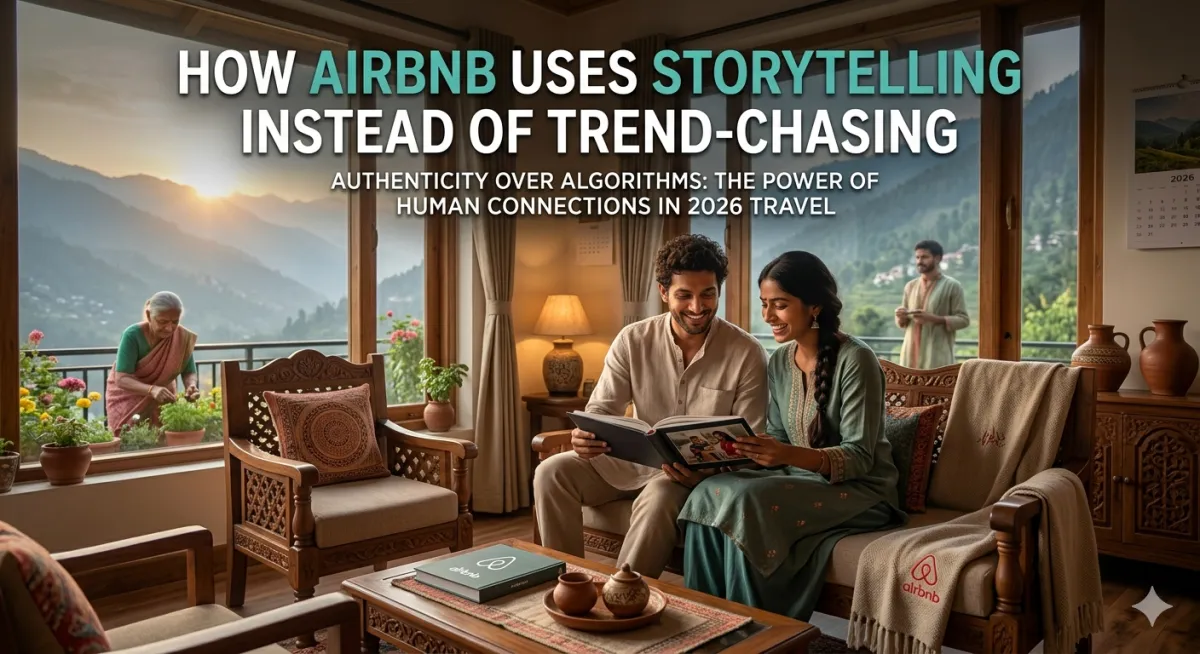
How Airbnb Uses Storytelling Instead of Trend-Chasing
How Airbnb Uses Storytelling Instead of Trend-Chasing
In a digital landscape dominated by fleeting trends, viral hooks, and reactive content, most brands are caught in a constant race to stay relevant. Yet, while many scramble to jump on the latest hashtag or meme, Airbnb has built a global brand by doing something radically different—telling stories that last.
Instead of chasing trends, Airbnb focuses on human experiences, emotional connections, and meaningful narratives. The result? Marketing that doesn’t just get attention—it builds trust, loyalty, and long-term brand recall.
The Problem with Trend-Chasing
Trend-based marketing can deliver quick spikes in engagement—but it comes with limitations:
Short lifespan of content
Lack of brand depth
Inconsistent messaging
Audience fatigue
Most brands end up sounding the same, reacting to the same trends in similar ways. Over time, this dilutes identity.
Airbnb took a different route.
Airbnb’s Core Idea: Belong Anywhere
At the heart of Airbnb’s storytelling is a simple but powerful idea: “Belong Anywhere.”
This isn’t just a tagline—it’s a narrative framework. Every campaign, post, and experience ties back to:
Human connection
Cultural immersion
Personal journeys
Instead of selling rooms, Airbnb sells experiences and emotions.
Storytelling Over Selling
Unlike brands that push features and offers, Airbnb focuses on real stories from real people:
A solo traveler finding community in a new country
A family reconnecting during a vacation
Hosts sharing their homes and cultures
These stories create emotional resonance, making the brand feel personal rather than transactional.
Campaigns That Feel Human, Not Promotional
Airbnb’s campaigns consistently reflect its storytelling-first approach:
1. User-Generated Stories
Airbnb turns its customers into storytellers. Real experiences become powerful marketing assets that feel authentic and relatable.
2. Cinematic Content
Their visuals often resemble short films rather than ads—focused on moments, emotions, and journeys.
3. Cultural Narratives
Instead of generic messaging, Airbnb highlights local cultures, traditions, and communities.
Why Storytelling Works Better Than Trends
1. Timeless Content
Stories don’t expire in 24 hours like trends. They remain relevant and impactful over time.
2. Strong Brand Identity
While trend-chasing can dilute a brand, storytelling reinforces a consistent voice and purpose.
3. Emotional Connection
People may forget ads—but they remember how a story made them feel.
4. Higher Trust
Authentic narratives build credibility in ways promotional content cannot.
The Business Impact
Airbnb’s storytelling strategy isn’t just creative—it’s effective:
Strong global brand recall
High customer loyalty
Organic sharing and word-of-mouth growth
A distinct identity in a crowded market
By focusing on meaning instead of momentary relevance, Airbnb has created marketing that compounds over time.
Lessons for Modern Brands
If there’s one thing brands can learn from Airbnb, it’s this: you don’t need to chase every trend to stay relevant.
Instead:
Build a clear brand narrative
Focus on real customer stories
Prioritize emotion over virality
Create content with long-term value
#AirbnbMarketing #StorytellingMarketing #BrandStrategy #ContentMarketing #DigitalMarketing


